
“Your life is happening now – what will you do with today?”
The Life We're Waiting to Live
Embracing the present moment begins with recognizing that your life is unfolding right now—not someday when circumstances improve, uncertainty disappears, or everything finally falls into place.
How often have you told yourself that life will begin when something changes?
When the circumstances improve. When the uncertainty passes. When you’ve healed from what hurt you. When you’ve accomplished the next goal or finally become the person you’ve been working so hard to be.
There is nothing wrong with looking toward tomorrow. Dreams give us direction, and hope reminds us that new possibilities remain. But sometimes, while preparing for the life we want, we overlook the life that is already unfolding.
We become so focused on what hasn’t happened that we forget to experience what is happening.
Perhaps you’ve been waiting for an opportunity, a relationship, a resolution, or a new beginning. Perhaps life has taken an unexpected turn, leaving you somewhere you never imagined you would be. Or maybe you’ve spent so much time attending to responsibilities and the needs of others that you’ve gradually placed your own desires on hold.
And somewhere along the way, you’ve begun to think of the present as something to get through rather than something to live.
But what if today is more than a waiting room for tomorrow?
What if, even in the midst of unfinished plans, unanswered questions, and changing circumstances, there is still something meaningful for you to experience?
You do not have to wait until everything is resolved to begin participating fully in your own life.
That is the invitation of the present moment—not to pretend that everything is wonderful, but to recognize that you still have choices, possibilities, and a relationship with yourself worth nurturing.
Why the Present Moment Matters
Embracing the present moment is not about forgetting yesterday or abandoning tomorrow. It is about recognizing the possibilities available to us today, even when our circumstances are less than ideal.
The present moment is where life meets us.
Yesterday may hold cherished memories, valuable lessons, disappointments, or regrets. Tomorrow may carry possibilities that inspire us or uncertainties that leave us wondering what comes next.
But today is where we have the opportunity to respond.
We cannot rewrite every experience behind us, nor can we control everything waiting ahead. Yet we can become more intentional about how we engage with the life before us.
Being present doesn’t mean forgetting the past or abandoning our dreams for the future. Both have their place. Our experiences help shape our understanding, and our dreams encourage us to continue growing.
The challenge arises when our attention becomes so consumed by what was or what might be that we lose touch with what is.
Consider the moments that quietly pass while we’re preoccupied with something else: the warmth of sunlight coming through a window, a conversation with someone who cares, the beauty of a familiar song, or the satisfaction of completing something we’ve been putting off.
These experiences may seem ordinary, but they are part of the substance of our lives.
Presence allows us to notice them. It also allows us to recognize our needs, acknowledgeur feelings, and make decisions that reflect what matters most to us.
Within the Journey to Me™ framework, self-connection is an essential part of intentional living. As we become more attentive to ourselves, we create opportunities to respond to life with greater clarity, compassion, and authenticity.
And sometimes, the most meaningful beginning is simply becoming aware of where we are.
Beginning Where You Are
There is a particular kind of pressure that comes from believing we should be further along in life.
We may compare our circumstances with those of others, measure ourselves against earlier expectations, or question why certain dreams have taken longer than we anticipated.
We tell ourselves that we should have accomplished more, figured things out sooner, or made different decisions.
But personal growth is not a race, and there is no universal timeline for becoming who we are meant to be.
You are allowed to begin again without condemning yourself for where you’ve been.
Beginning where you are means acknowledging your present reality without allowing it to define the limits of your future.
Perhaps you are starting over after a significant loss. Perhaps you’re adjusting to changes in your relationships, career, health, or sense of identity. Maybe you’re entering a season of life that is inviting you to reconsider what happiness, fulfillment, and success mean to you.
You don’t have to have all the answers before taking your next step.
You can acknowledge disappointment while remaining open to joy. You can honor what you’ve lost while creating space for something new. You can recognize your limitations without surrendering your possibilities.
And you can appreciate the person you are today while continuing to grow into the person you’re becoming.
Beginning where you are is not an admission of defeat.
It is an act of self-acceptance—and a decision to move forward from a place of truth rather than judgment.
Four Ways to Embrace Today
Living more fully in the present doesn’t necessarily require dramatic changes. Often, it begins with simple, deliberate choices that reconnect us with ourselves and the lives we want to create.
1. Live with Intention
Each new day offers an opportunity to decide what deserves your attention.
Without intention, it’s easy to move through the day responding to obligations, distractions, and expectations without considering our own needs.
Intentional living invites us to ask a different question: How do I want to participate in my life today?
Perhaps you want to approach a difficult situation with patience. Maybe you need to establish a boundary, reconnect with a neglected interest, or dedicate time to something that brings you fulfillment.
Living intentionally doesn’t mean controlling every outcome. It means making conscious choices about how you invest your time, energy, and attention.
You may not be able to determine everything that happens today, but you can influence how you respond and what you choose to nurture.
Gentle practice: Before beginning your day, identify one quality you want to bring into your experiences. It might be peace, courage, gratitude, openness, or self-compassion. Consider one action that would help you express that intention.
2. Embrace the Present Without Denying Your Feelings
Sometimes, encouragement to live in the moment can sound like an invitation to dismiss what we’re experiencing.
But presence does not require constant happiness.
There will be days when you feel uncertain, discouraged, lonely, or overwhelmed. You may be carrying responsibilities that cannot simply be set aside or navigating circumstances that require time and patience.
Being present means allowing yourself to acknowledge those realities without becoming completely consumed by them.
You can say, This is difficult, without deciding that difficulty is all your life has to offer.
You can recognize sadness while remaining receptive to moments of comfort. You can feel uncertain about tomorrow while finding something meaningful to do today.
There is room for more than one emotion in your life.
And sometimes, embracing the present means giving yourself permission to rest rather than insisting that every moment must be productive.
Gentle practice: Pause briefly and ask yourself, What am I feeling right now, and what do I need? Listen without immediately trying to correct or dismiss your response.
3. Celebrate the Small Wins
We often reserve celebration for major accomplishments—the completed project, the achieved goal, the long-awaited opportunity.
Yet much of life’s growth happens in smaller moments that rarely receive recognition.
Getting started on something you’ve avoided. Speaking kindly to yourself after making a mistake. Choosing to rest when you’re exhausted. Reaching out to someone. Taking a walk. Completing one task during a challenging day.
These actions may not look extraordinary, but they represent meaningful choices.
When we acknowledge small victories, we begin to recognize progress that might otherwise go unnoticed.
We also challenge the belief that our efforts only matter when they produce impressive results.
Every step does not have to be large to move us forward.
And every meaningful day does not have to include a major accomplishment.
Gentle practice: At the end of the day, identify one thing you appreciate about how you showed up for yourself. Resist the temptation to minimize it simply because it seems small.
4. Take Gentle, Purposeful Action
There is a difference between allowing life to unfold and placing our lives indefinitely on hold.
Sometimes, we become so concerned about making the right decision that we make no decision at all. We wait for certainty, encouragement, ideal circumstances, or a guarantee that our efforts will succeed.
But clarity often develops through participation.
You may discover what you enjoy by trying something unfamiliar. You may recognize a new possibility through a conversation, a class, a creative experience, or an unexpected opportunity.
Not every action will lead where you hoped. Some experiences may simply teach you more about yourself.
That, too, can be valuable.
Taking gentle action means moving forward without demanding perfection from yourself or immediate results from your efforts.
It means allowing curiosity to accompany courage.
Perhaps there is a place you’ve wanted to visit, a skill you’ve wanted to develop, a friendship you’d like to nurture, or a creative idea you’ve been postponing.
You don’t have to transform your entire life today.
But you can take one meaningful step toward the life you want to experience.
Gentle practice: Choose one thing you’ve been postponing that matters to you. Identify a small action you can take within the next 24 hours to begin moving toward it.
A Moment for Reflection
Sometimes, the most important conversations are the ones we have with ourselves.
Find a quiet moment to consider these questions. You may want to write your responses in a journal or simply sit with them thoughtfully.
1. What am I waiting for before giving myself permission to enjoy my life?
Consider whether you’ve attached your happiness, fulfillment, or peace to a particular outcome. What might become available to you if you allowed yourself to experience more of life as it is today?
2. Where has my attention been resting lately?
Have you been spending more time revisiting the past, anticipating the future, or engaging with the present? What has that pattern been giving you, and what might it be costing you?
3. What would it look like to honor both my present reality and my future possibilities?
Think about one choice that would allow you to care for yourself today while remaining committed to the life you want to create.
There are no perfect answers.
The purpose of reflection is not to judge yourself but to deepen your awareness and make room for choices that feel more authentic.
Today's Gentle Action: Reclaim One Moment
Before this day ends, choose one experience to engage in with your full attention.
It doesn’t have to be elaborate or expensive.
You might enjoy a favorite meal without rushing, spend time outdoors noticing the beauty around you, listen to music that lifts your spirit, call someone you enjoy talking with, or return to a creative activity you’ve neglected.
For a little while, allow yourself to be where you are.
You don’t need to turn the experience into an accomplishment. You don’t need to document it, share it, or make it productive.
Simply experience it.
Notice how it feels to give yourself permission to enjoy something without first requiring your life to be different.
And if today is particularly difficult, your gentle action may be as simple as offering yourself a few moments of quiet, comfort, or rest.
The intention is not to fill every moment. It is to stop overlooking the moments that belong to you.
An Invitation to Continue
Your life is not something that begins after you’ve completed every responsibility, overcome every disappointment, or reached every goal.
It is unfolding now.
There will always be things to anticipate, circumstances to navigate, and dreams that have yet to become reality.
But you deserve to experience meaning, connection, beauty, and joy along the way.
You can continue building your future without abandoning yourself in the present.
You can remain hopeful about what is coming while appreciating what is already here.
And you can embrace the person you’re becoming without withholding love and acceptance from the person you are today.
Perhaps seizing the day isn’t about doing more, moving faster, or making every moment count in some extraordinary way.
Perhaps it’s about recognizing that your life is worthy of your attention—even when it looks different from what you imagined.
So, as you move through today, return to the question:
Your life is happening now—what will you do with today?
Let your answer begin with something meaningful to you.
Today's Affirmation
I honor where I am while remaining open to where life may lead me. I release the need for perfect circumstances and embrace the possibilities within this day. My life is unfolding, and I choose to participate in it with intention, courage, and love.
Continue Your Journey
If this reflection resonates with you, consider exploring Journey to a New You, a guided action journey designed to support self-discovery, reflection, and intentional personal growth.
You can also explore the Journey to Me™ collection for additional reflections and resources to encourage you as you continue finding your way to yourself.
The journey continues. Hope remains. And so do we.
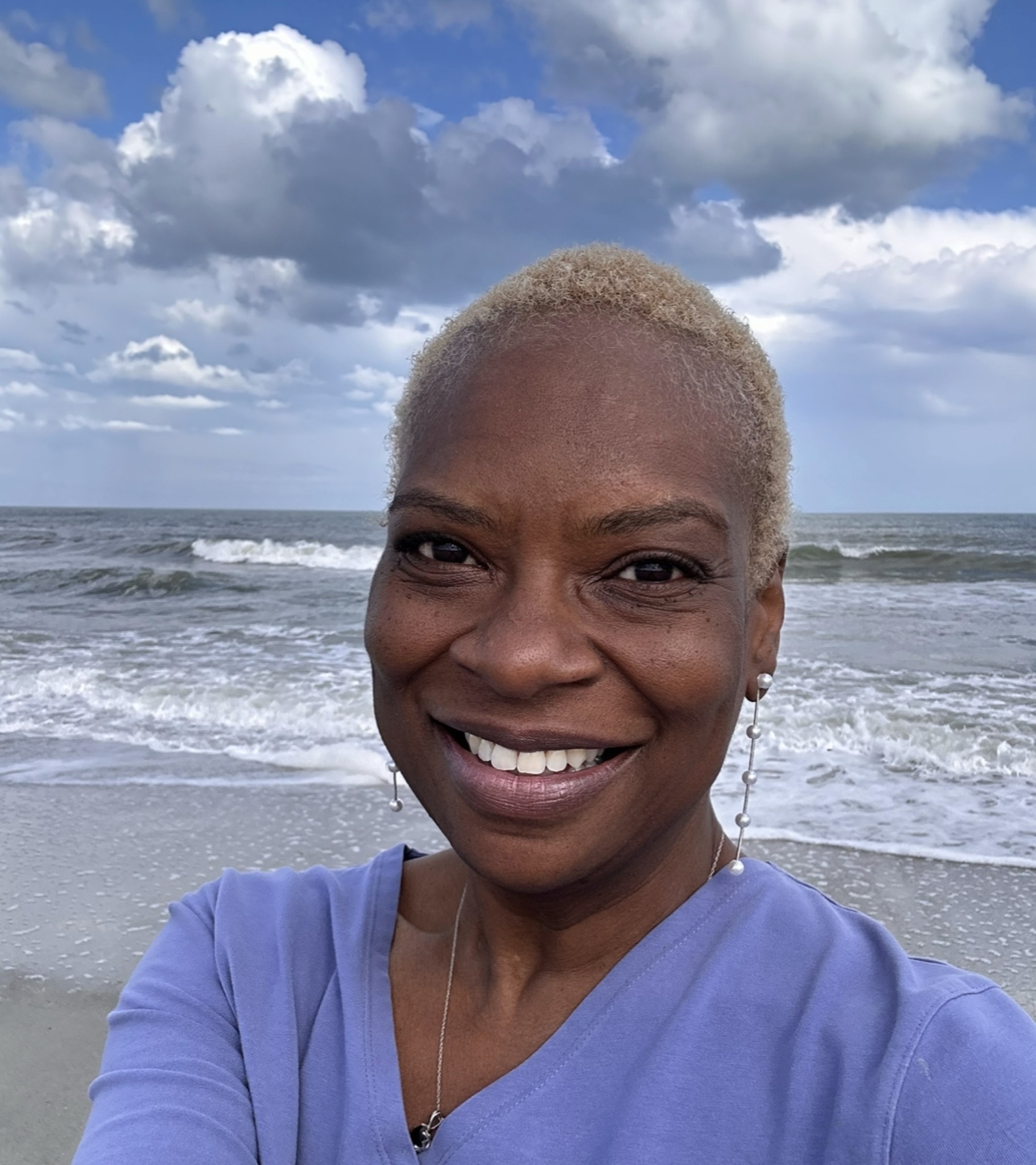
Rita Lynn Berry, EdS, LCMHC, is a licensed clinical mental health counselor and the founder of NewVision Counseling and Consulting Services, PLLC. She is also the creator of the Journey to Me™ program and Mend n Muse Media™, where she shares tools and reflections that support healing, resilience, and self-love.
© 2023–2026 Rita Lynn Berry. All rights reserved.