
There are moments
when something within you shifts—
not loudly,
not urgently,
but clearly enough
that you can no longer ignore it.
And just as quickly,
fear arrives beside it.
When Desire and Fear Arrive Together
There’s a moment that often comes quietly.
You feel a pull toward something new—
a change, a possibility, a different way of being.
And almost immediately, fear rises beside it.
Not dramatic fear.
Not panic.
Just a steady awareness of risk, uncertainty,
and what you might lose if you move.
If you’ve felt this tension, you’re not confused.
You’re standing at a threshold.
Why Fear Doesn’t Mean You’re Not Ready
We often assume that readiness should feel confident and clear.
But readiness rarely arrives without fear—
especially when you’ve lived, lost, learned, and tried before.
Fear doesn’t always signal danger.
Sometimes, it signals importance.
It shows up when:
- You care deeply about what’s next
- You’ve been hurt before and remember the cost
- You understand what’s at stake now
That awareness isn’t weakness.
It’s wisdom.
The Difference Between Fear and Resistance
Fear says, “This matters.”
Resistance says, “I can’t.”
Fear can coexist with movement.
Resistance often asks for protection—or rest—first.
When you’re ready for something new but afraid,
the question isn’t whether fear should disappear.
It’s whether you can move
with care instead of force.
What Gentle Readiness Actually Looks Like
Readiness doesn’t always feel bold.
Sometimes it looks like:
- Curiosity without certainty
- Willingness without a full plan
- Caution without avoidance
- Hope that hasn’t fully found its voice yet
Signs you may be ready—even if you’re afraid:
- You’re imagining something different, even tentatively
- You feel drawn forward, not pushed
- You’re asking better questions instead of demanding answers
- You’re more interested in alignment than approval
That’s not hesitation.
That’s discernment.
You Don’t Have to Step All the Way In
Standing at the edge of something new doesn’t require a leap.
It may only require:
Turning toward the possibility
Letting yourself consider it without commitment
Allowing curiosity to exist alongside caution
You’re allowed to take the next step without promising the whole journey.
A Threshold Practice for New Beginnings
If you’re ready for something new—but afraid—try this:
Place your feet firmly on the ground.
Take one slow breath in, and a longer breath out.
Say quietly to yourself:
“I can move gently.”Ask:
“What is one way I can honor both my hope and my fear?”
Let the answer be small.
Let it be honest.
Being ready doesn’t mean being fearless.
It means being willing to listen—to your fear, your hope, and your wisdom—without letting any one voice dominate.
If you’re ready for something new and afraid, you’re not behind.
You’re right where meaningful change begins.
If you’re finding it difficult to move forward from this place, continue with Why You Can’t Move Forward—and What Actually Helps. It may reveal what kind of support you need next.
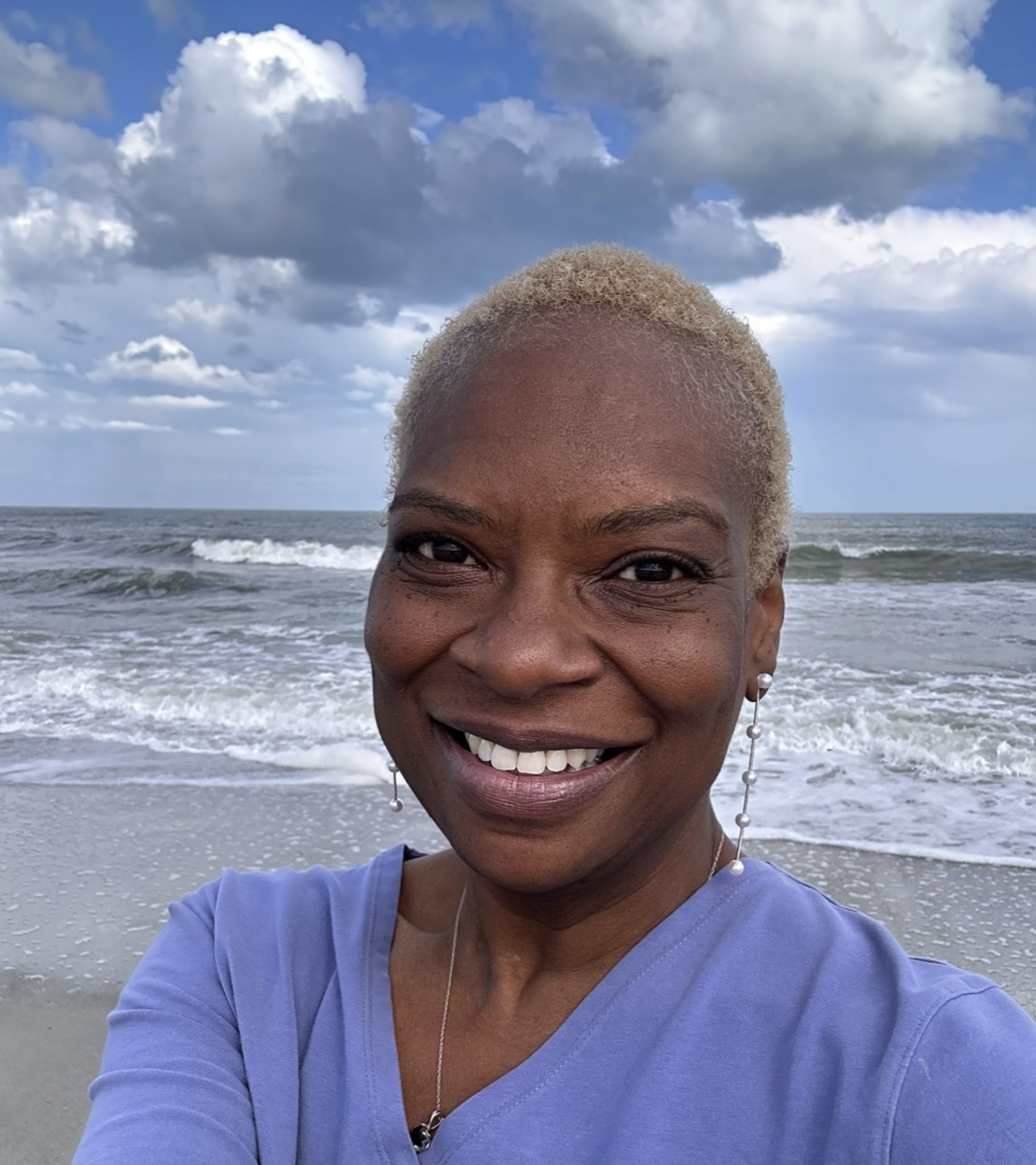
Rita Lynn Berry, EdS, LCMHC, is a licensed clinical mental health counselor and the founder of NewVision Counseling and Consulting Services, PLLC. She is also the creator of the Journey to Me™ program and Mend n Muse Media™, where she shares tools and reflections that support healing, resilience, and self-love.
© 2023–2026 Rita Lynn Berry. All rights reserved.